On March 11, the Fifth Plenary Session of the Second Faculty and Staff Representative Congress and the Third Plenary Session of the Second Trade Union Member Representative Congress of the university were held. Principal Wen Deyang, President Qu Wei, and other university leaders attended the meetings. More than 300 participants, including official representatives of the Faculty and Staff Congress, official representatives of the Trade Union Congress, non-voting delegates, and specially invited delegates, attended the sessions. The meetings were chaired by Vice President Li Zhenxing.
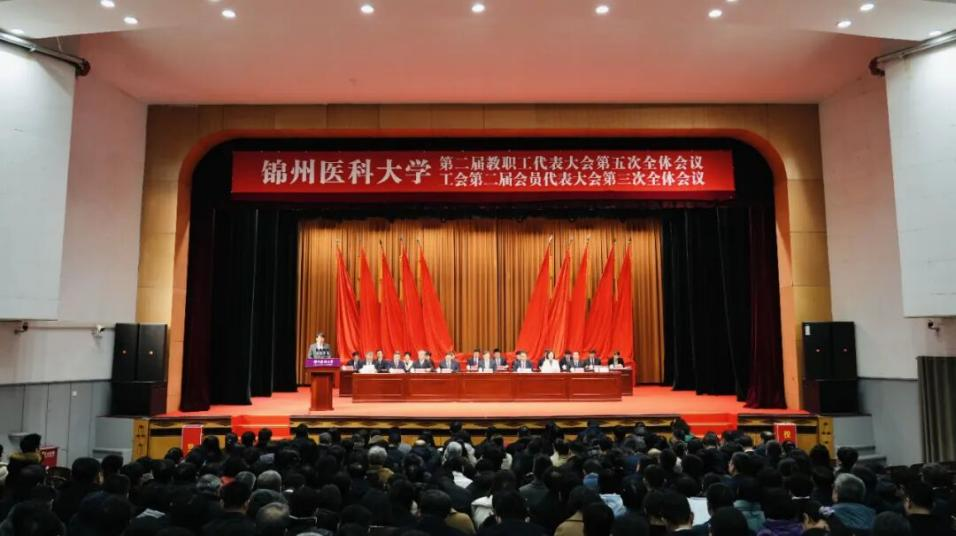
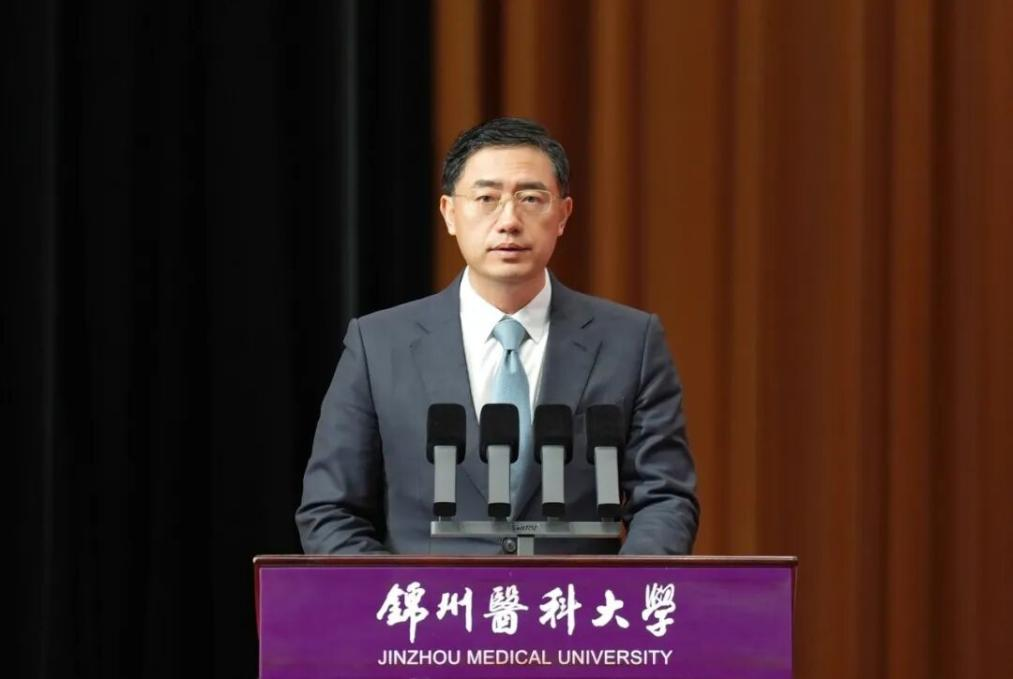
On behalf of the university, Principal Wen Deyang extended congratulations on the convening of the congresses and expressed greetings and gratitude to all representatives and, through them, to all faculty and staff members.
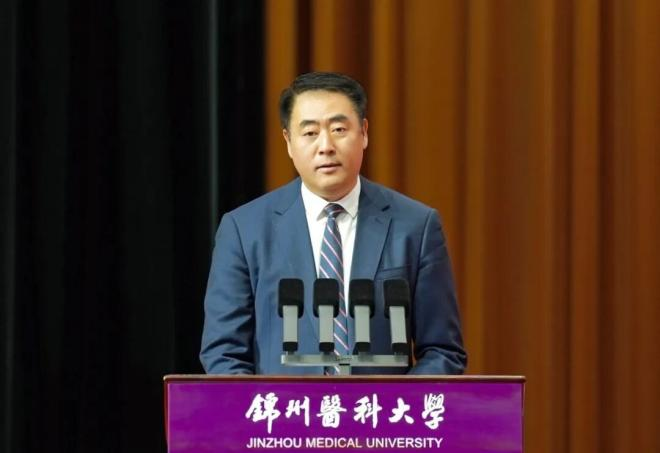
President Qu Wei delivered a work report on behalf of the university, reviewing the main work of 2025 and the key accomplishments during the“14th Five-Year Plan”period, and outlining the major work priorities for 2026.Qustated thatbreakthrough progress was achieved in two fundamental tasks: the construction of the new Binhai Campus and the application for doctoral degree-granting status. Significant results were attained in key areas including disciplinary development, faculty team building, talent cultivation, scientific and technological innovation, and medical services, with the university’s core competitiveness and social reputation steadily rising.
The reportalsooutlined the major work for 2026 in areas including enhancing the university’s core competitiveness, solidifying the foundation for talent-driven development, improving talent cultivation quality, accelerating the commercialization of scientific and technological achievements, elevating the level of medical services, promoting cultural innovation, expanding exchange and cooperation, raising the standard of open education, optimizing the quality of the educational environment, strengthening refined management, and improving internal governance efficiency.
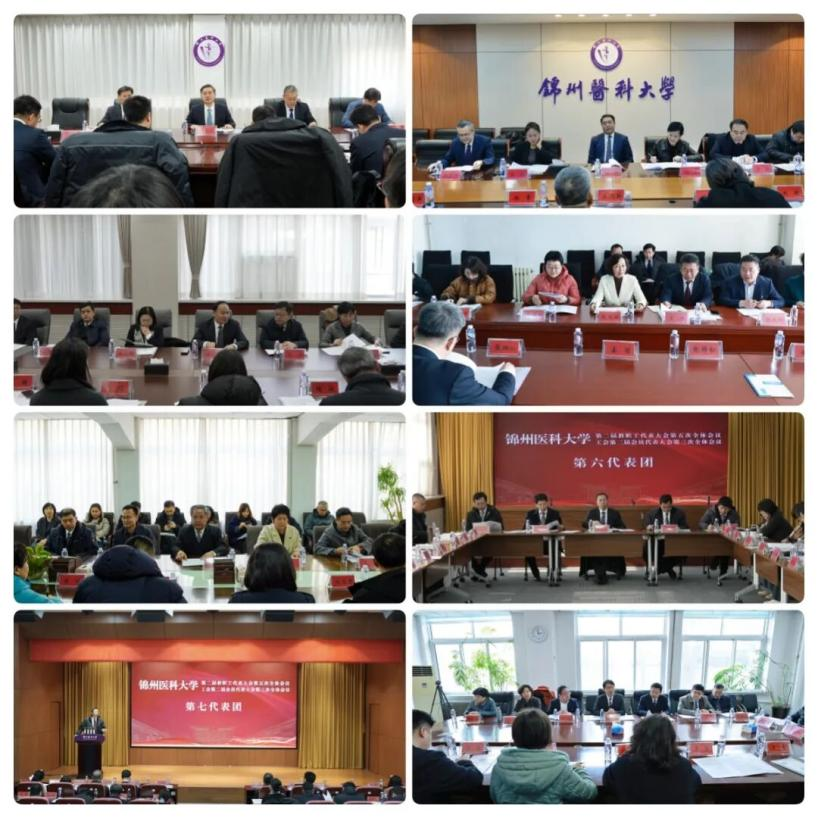
After the opening session, representatives engaged in group discussions. Delegates conscientiously fulfilled their duties, actively offered suggestions, and put forward constructive opinions and recommendations. The leaders of the eight delegation groups reported the discussion summaries to the congress presidium.


